One-Step Injection Stretch Blow Molding (ISBM) machines are highly sophisticated, synchronized systems. They simultaneously melt high-viscosity polymers at 300°C, clamp heavy steel molds with over 150 tons of force, and deploy 40-bar high-pressure air to inflate the final containers. Operating this equipment 24/7 without a rigorous Preventive Maintenance (PM) program is a guaranteed recipe for catastrophic failure. In industrial manufacturing, “run-to-failure” is not a strategy; it is a liability. A neglected coalescing filter will allow water into the pneumatic manifold, destroying proportional valves. Degraded hydraulic oil will silently carve microscopic grooves into servo-pumps. A lack of platen parallelism calibration will continuously snap tie-bars. This comprehensive guide outlines the definitive monthly, quarterly, and annual maintenance checklists required to maximize Mean Time Between Failures (MTBF) and keep your ISBM platform running profitably for decades.
1. The True Cost of Reactive Maintenance in ISBM
Many factories view maintenance as the department that fixes machines when they break. In ISBM processing, this mindset destroys profit margins. When a machine breaks down mid-cycle, you are not just losing the cost of the replacement part. You lose the raw material that burns inside the injection barrel, you lose hours to cooling down and reheating the 300°C hot runner, and you forfeit the operational revenue of a high-speed production line.
A rigorous PM program shifts the factory from reactive firefighting to proactive asset management. By adhering to strict daily (e.g., checking auto-lube reservoir levels, draining air line water traps) and monthly schedules, Chief Engineers can schedule downtime during off-peak shifts, rather than having a catastrophic mechanical failure halt production during a critical customer order.
2. The Monthly Checklist: Filters, Lubrication, and Pneumatics
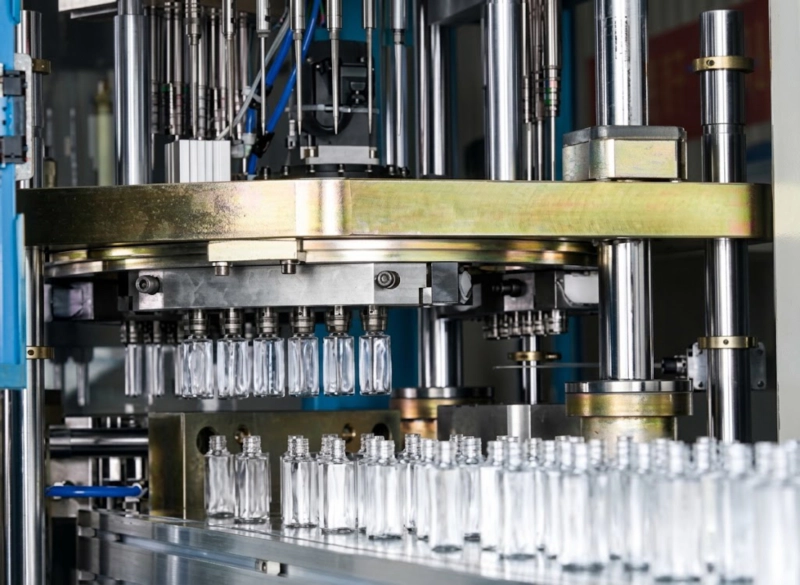
The monthly PM is designed to address components that degrade steadily over hundreds of thousands of cycles. This requires a scheduled 2-hour machine shutdown.
- ✓Inspect Auto-Lubrication Lines: The toggle clamping mechanism relies on an automated grease/oil pump. However, the thin nylon distribution tubes frequently crack or get pinched. Manually trace every lube line to the toggle pins to ensure grease is actually reaching the bearings. Dry toggle pins will destroy themselves in a matter of weeks.
- ✓Replace Pneumatic Coalescing Filters: The ISBM machine relies on 10-bar air for actuation. Check the FRL (Filter, Regulator, Lubricator) unit. If the coalescing filter element is saturated with water or compressor oil, replace it immediately to protect the SMC/Festo solenoid valves.
- ✓Clean Electrical Cabinet Filters: The servo drives inside the main electrical cabinet generate massive heat. If the cooling fan intake filters are clogged with factory dust, the cabinet temperature will skyrocket, causing the PLC and servo amplifiers to trigger thermal shut-downs. Vacuum and wash all sponge filters.
3. The Quarterly Checklist: Hydraulics, Chillers, and Sensors
The quarterly PM (every 3 months or ~2,000 operating hours) delves deeper into the fluid dynamics and sensory equipment of the machine.
Extract a sample of the ISO VG 46/68 hydraulic oil. Check for cloudiness (water contamination) or dark discoloration (thermal degradation). Clean the magnetic suction strainer inside the oil tank, and replace the high-pressure return line filter cartridge.
The machine relies on LVDT position rulers to know exactly where the injection screw and clamping platens are. Wipe the transducer rods clean of any leaked oil or dust, and verify the physical zero-point aligns with the PLC read-out.
Additionally, inspect the ISBM auxiliary equipment. The condenser coils on the industrial water chiller must be blown out with compressed air. If the chiller cannot reject heat efficiently, your mold temperatures will rise, extending cycle times and causing bottles to stick in the cavities.Fig. 2 — Changing hydraulic filters. Servo-driven proportional valves are incredibly sensitive to particulate contamination. Maintaining clean oil is the absolute foundation of machine longevity.
4. Semi-Annual: Mechanical Alignment and Tie-Bar Strain
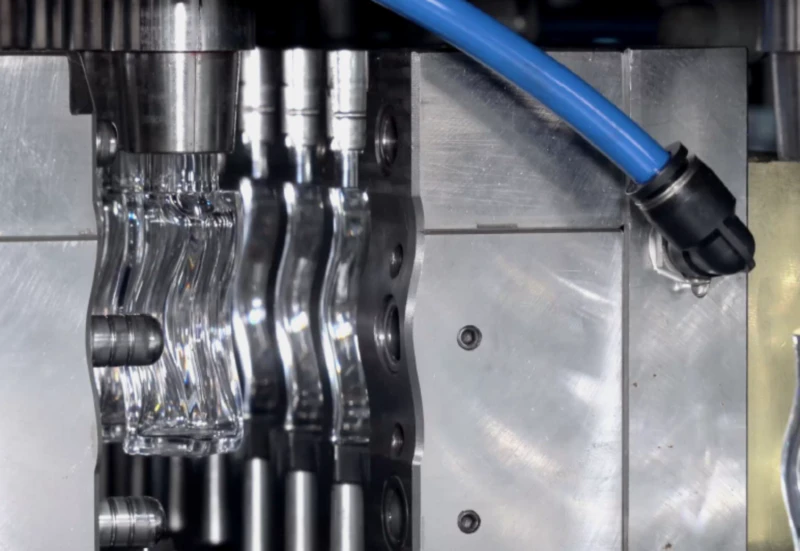
Every six months, focus shifts to the heavy mechanical integrity of the clamping units. Over millions of high-pressure cycles, the massive steel tie-bars will stretch, and the machine leveling pads can settle into the concrete floor.
Platen Parallelism Check: Use a precision dial indicator to measure the distance between the stationary and moving platens at all four corners while under full clamping tonnage. If the deviation exceeds 0.05mm, the platens are not parallel. This uneven force will cause continuous mold flashing on one side and will eventually snap a tie-bar. Calibrate the tie-bar nuts immediately to restore perfect parallelism.
Check the rotary table indexing mechanism. The gear drive and servo motor responsible for lifting and rotating the preforms between the 4 stations must be flawlessly accurate. Re-grease the main rotary gear teeth and verify that the lifting cylinders do not show signs of seal leakage or “spongy” pneumatic behavior.
5. The Annual Overhaul: Injection Screw and Blow Valve Rebuilds
The annual maintenance schedule should be planned during a factory holiday, as it requires the machine to be offline for 24 to 48 hours.
| Component | Annual Action Required | Risk if Ignored |
|---|---|---|
| Injection Screw & Check Ring | Pull the screw, measure flights for wear, replace non-return valve. | Melt leakage backwards; short shots and inconsistent weight. |
| 40-Bar Blow Valve Block | Disassemble block, replace all high-pressure pilot seals and O-rings. | Air leakage; pressure drops causing deformed bottle shapes. |
| Hydraulic Oil Replacement | Drain tank entirely, clean interior walls, refill with virgin oil. | Loss of lubricity; total failure of main hydraulic pump. |
| Electrical Terminals | Retorque all high-voltage contactors and heater band terminals. | Loose wires cause electrical arcing and potential cabinet fires. |
6. Mold Care: Descaling Cooling Channels and Vent Cleaning
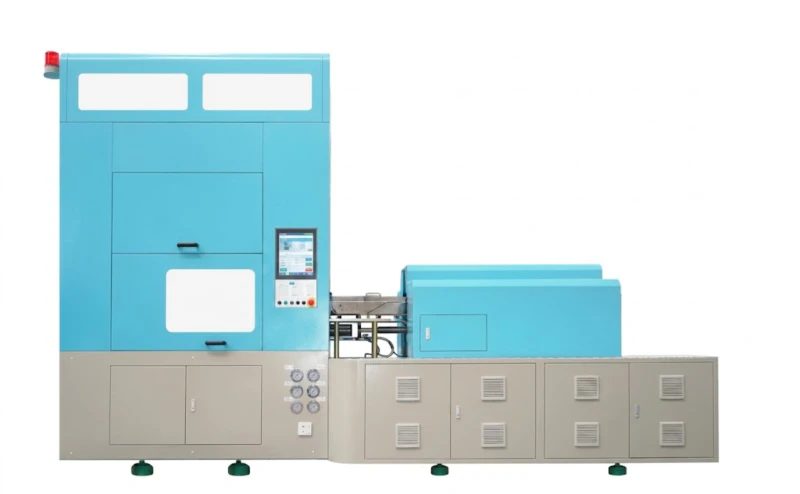
The ISBM injection and blow molds require their own dedicated maintenance schedule. The most neglected area is the internal water cooling channels. Over time, calcium and rust scale build up inside these narrow pathways. Scale acts as a thermal insulator. A 1mm layer of calcium scale can reduce cooling efficiency by 30%, drastically extending your cycle time.
Quarterly, run a commercial descaling acid solution through the mold cooling channels using a dedicated flushing pump until the water flows clear. Simultaneously, operators must clean the mold parting lines and microscopic venting grooves using a soft brass brush and non-abrasive mold cleaner. Never use hardened steel tools or abrasive sandpaper to clean a mold face; rounding off the sharp parting edges will permanently cause the mold to flash.
7. Hot Runner and Barrel Purging Protocols
Proper shut-down and start-up procedures are preventative maintenance in themselves. If you are processing high-temperature resins like PETG, PC, or Tritan, you cannot simply turn the machine off at the end of the week. The residual plastic will bake onto the screw flights and carbonize, resulting in black specks appearing in your bottles for days afterward.
Always use a commercial mechanical/chemical purging compound before shutting down. Run the purge through the barrel until the extrudate is completely clean, then drop the barrel temperatures to 100°C before cutting power. This encapsulates the screw in a stable, non-degrading polymer that easily pushes out upon reheating.
8. Establishing a Digital PM Log and Spares Inventory
A checklist printed on a piece of paper taped to the machine will eventually be ignored. Modern facilities must utilize a digital CMMS (Computerized Maintenance Management System) to log every filter change, oil analysis, and sensor calibration. This creates a historical baseline, allowing engineers to predict when a component (like a stretch rod pneumatic cylinder) will fail before it actually does.
Finally, tie your PM schedule directly to your spare parts inventory. When the quarterly schedule dictates replacing the coalescing filters for your 40-bar high-pressure compressor, the CMMS should automatically trigger a purchase order for the next set of filters. A machine is only as reliable as the availability of its consumable parts.
Need a Custom Maintenance Plan for Your ISBM Fleet?
Our senior engineering team can audit your facility and provide a comprehensive, machine-specific Preventive Maintenance schedule, including specialized training on 40-bar valve rebuilds and platen calibration.